



Mission and Vision
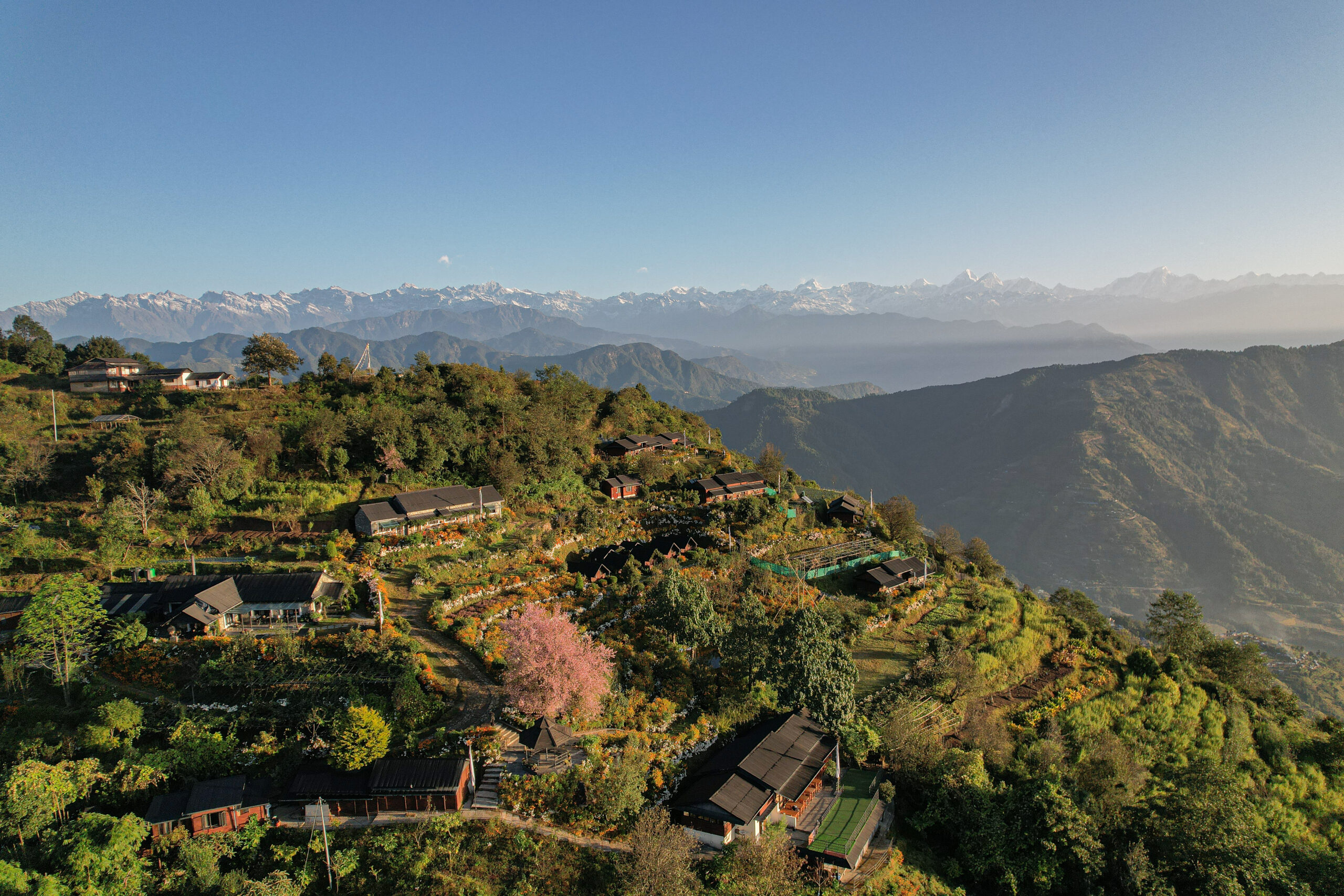
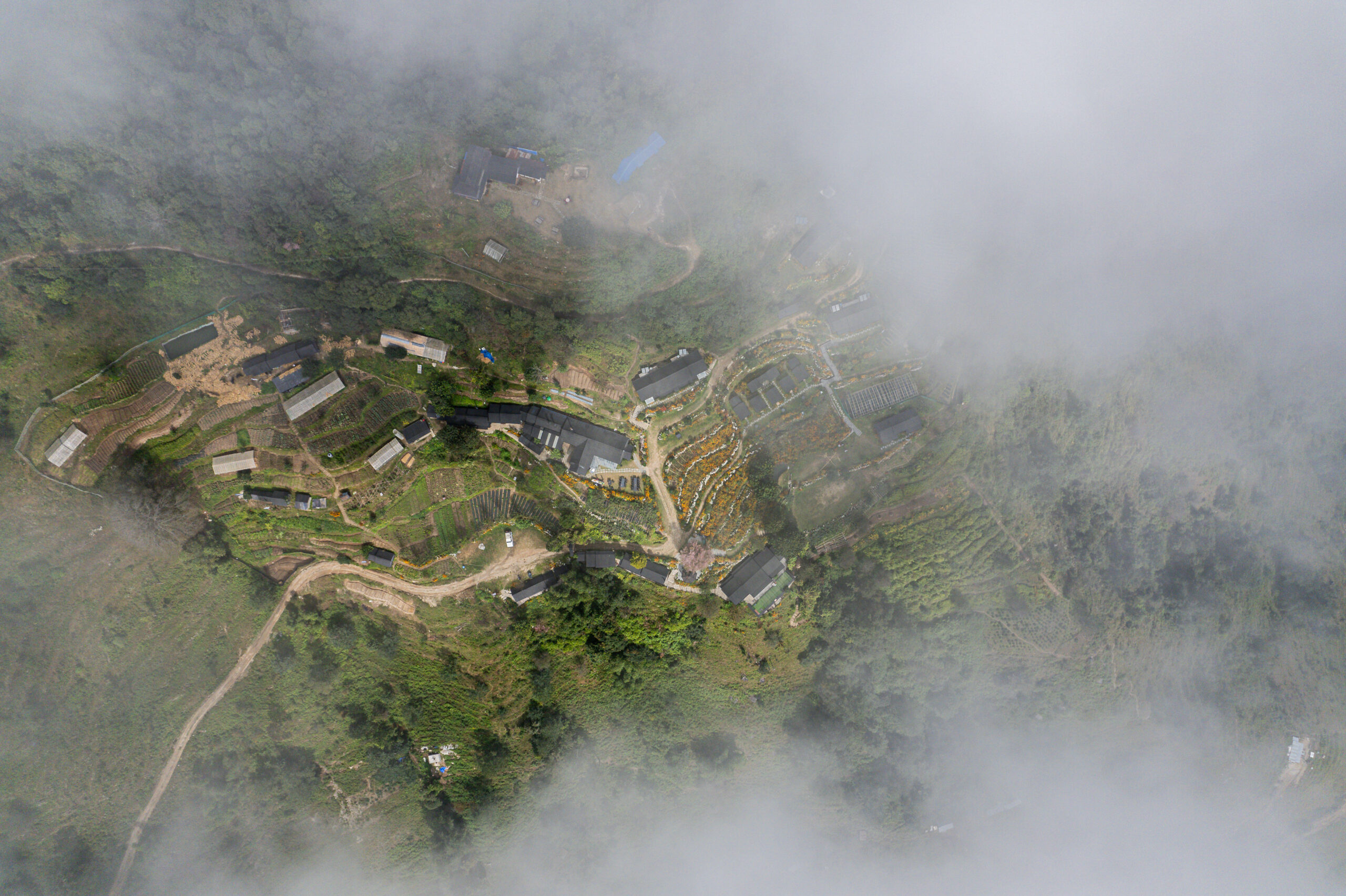
The name Prakriti means Nature. At Prakriti Resort & Organic Farm, nature is not simply a backdrop for tourism—it is the guiding principle of everything we do.
We believe that human well-being is inseparable from the health of the natural world. When soil is fertile, forests are protected, and communities are supported, tourism can become a pathway toward regeneration rather than depletion.
Our philosophy embraces a holistic relationship between land, people, culture, and spirit. Every experience at Prakriti is designed to encourage reflection, connection, and respect for the natural environment.
By integrating organic farming, ecological design, and community engagement, we aim to create a place where visitors experience not only comfort but also inspiration to live more harmoniously with the Earth.
Why Regenerative Tourism Matters Now
The world is experiencing rapid environmental change, climate instability, biodiversity loss, and growing social imbalance. In this context, tourism can no longer focus only on enjoyment or economic growth. It must also contribute positively to the places it touches.
Regenerative tourism matters now because it shifts tourism from “doing less harm” to “doing more good.”
At Prakriti Resort & Organic Farm, we believe tourism should actively support ecological restoration, community well-being, and cultural integrity.
1. Environmental Responsibility
Natural ecosystems are under pressure from overdevelopment, waste, water stress, and climate change. Regenerative tourism encourages practices that restore soil health, protect biodiversity, reduce resource consumption, and strengthen local ecosystems.
2. Climate Consciousness
Travel and hospitality industries have a role in addressing climate challenges. Regenerative approaches promote renewable energy, waste reduction, sustainable sourcing, and low-impact design—helping reduce environmental footprints while improving resilience.
3. Community Empowerment
Tourism should create meaningful local benefits. Regenerative models prioritize local employment, local sourcing, skill development, and fair partnerships—ensuring that communities grow alongside tourism.
4. Cultural Preservation
Authentic experiences rooted in local culture help protect traditions, heritage, and identity. Regenerative tourism respects cultural values and encourages meaningful exchange rather than superficial consumption.
5. Conscious Travel Trends
Today’s travelers—especially younger generations—seek deeper experiences: connection, reflection, learning, and purpose. Regenerative tourism aligns with this shift toward mindful and responsible travel.
6. Long-Term Sustainability
Without regenerative principles, tourism risks degrading the very destinations it depends on. By restoring natural systems and strengthening communities, tourism can remain viable for future generations.
⸻
Our Commitment
Regenerative tourism is not a trend for us—it is a long-term philosophy guided by the vision of Arun Shrestha and supported by the next generation, including Shreeyani Shrestha.
At Prakriti, we believe that when tourism respects nature, nature begins to heal—and when nature heals, people thrive.
The village of Haibung 3 in Melamchi Municipality is located in the buffer area of Shivapuri Nagarjun National Park, where any land within a 500-meter distance from its buffer is considered part of the buffer zone. In the past, this area was inhabited by people who lived peacefully and engaged in farming activities. However, during the Shah King dynasty, some kings had a preference for haunting and eating boar meat. One of these Kings introduced boars brought from Russia into the National Park with the intention of hunting them in the wild if the boar population grew. Fortunately, the boar population did indeed grow rapidly, leading to conflicts between the wild boars and the local population.
As a result, the farmers had to abandon their settlements due to the constant conflicts with the wild boars which would come and consume their crops. Initially, farming was already challenging in this area, neither the villagers could kill them nor afford to build protective fences due to the high cost involvement. This situation eventually forced them to leave their homes and farmlands.
In this very area, after years of dedication to sustainable tourism growth and development, Prakriti Resort and Organic Farm are now taking rapid steps toward becoming a sustainable tourism destination. We firmly believe that sustainability cannot be achieved in isolation; it requires collective efforts of multidiscipline and commitment to sustainable practices from the entire village population in guidance of PROF.
Our approach involves fostering collaborative partnerships with local communities, promoting cultural exchanges, and initiating mutually beneficial projects. These initiatives enhance our relationships with the region and contribute to sustainable development.
Destination engagement: We have partnership with the local communities and established a Community Based Organization (CBO) “Haibung Environment and Tourism development Committee”. We are now working to harmonize our efforts with existing governmental structures, local bodies, and civil society organizations that are already active in the project area.
Our strategy for achieving these objectives includes the following key steps:
- Developing a vision and raising awareness of Haibung as a sustainable tourism destination.
- Addressing the basic needs of both local and foreign tourists, local communities, and tourism entrepreneurs.
- Promoting awareness and education on responsible tourism, waste management, and environmental protection.
- Ensuring broad participation and involvement of stakeholders in planning and implementing sustainable tourism development.
- Harmonizing agriculture, climate change adaptation, and biodiversity conservation with tourism development.
- Engaging in partnerships with local communities, NGOs, the National Park Authority, and government bodies.
- Advocating for proper policies for institutional and structural development in the location specific area.
- Planning based on the identification of opportunities and strengths of the area.
- Implementing adaptation measures to minimize development-induced risks, uncertainties and threats in the area.
- Promoting involvement and coordination among the stakeholders.
- Increasing public, private, and community participation in tourism development.
- Encouraging similarity in construction, featuring traditional and eco-friendly construction, management, and operations.
- Strengthening the enabling environment for tourism planning and biodiversity conservation through coaching and supporting existing structures and personnel in the elaboration of tourism management plans for model sites.
Through these planned strategic steps and concerted efforts, Prakriti Resort and Organic Farm aspires to become a beacon of sustainable tourism and a model for others to uprate in the pursuit of environmental conservation and community well-being.