
Shaping the Future of Nepalese Hospitality: The Journey Towards Green Hospitality Standards
Nepal’s hospitality industry is entering an important new chapter—one where sustainability is moving beyond individual initiatives and becoming an increasingly important part of how tourism businesses operate, grow and create value.
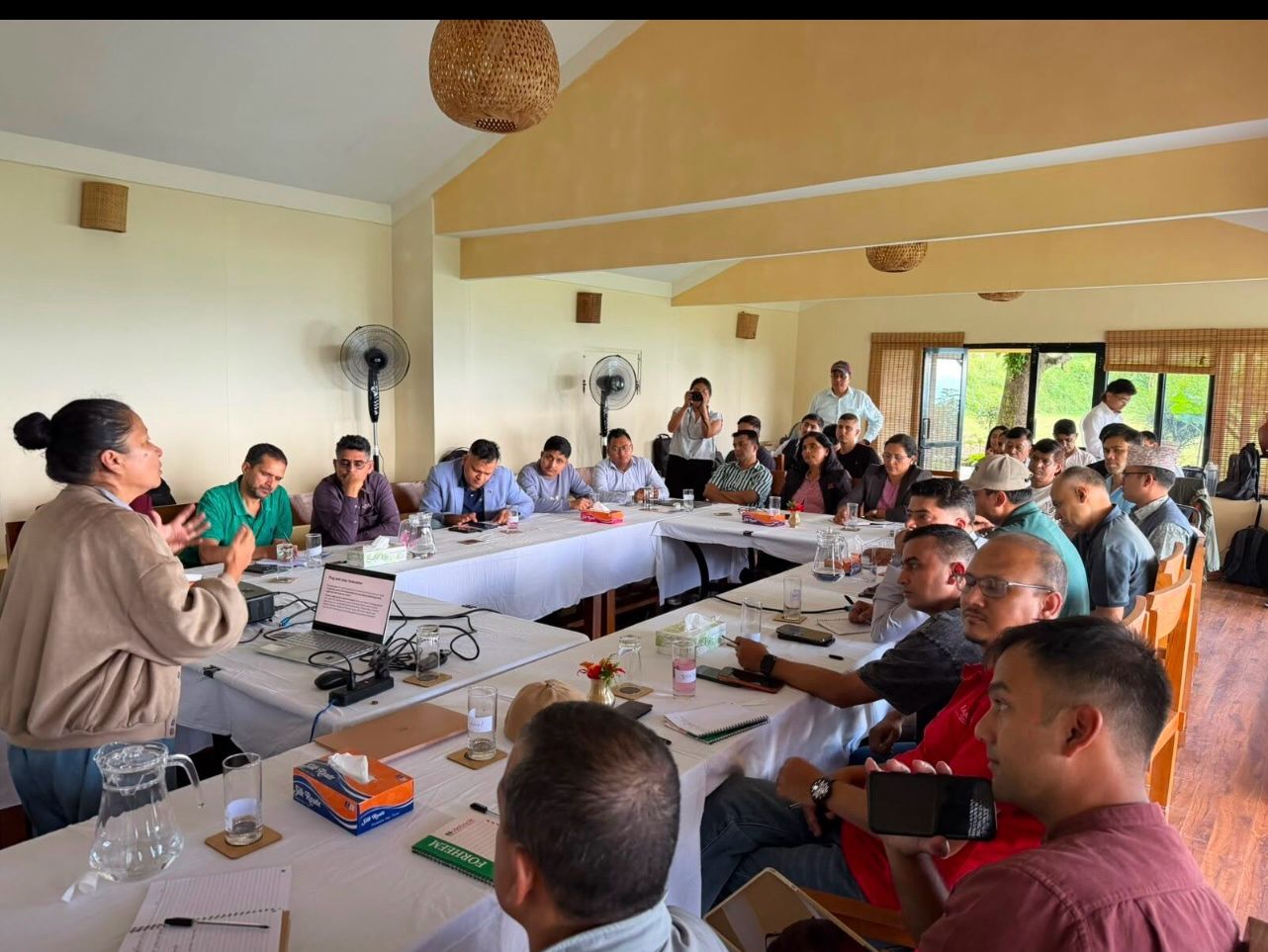
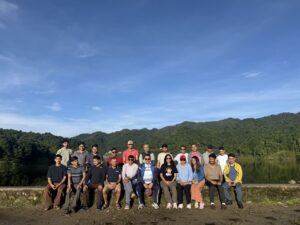
From 22–24 August 2026, Prakriti Resort & Organic Farm was honoured to host the Inception Workshop on Nepal’s Green Hospitality Standards, an important initiative exploring how Nepal can develop practical, measurable and forward-looking standards for a more sustainable hospitality sector.
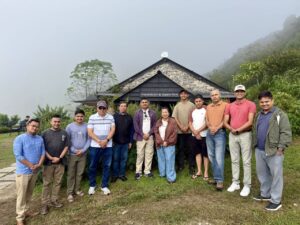
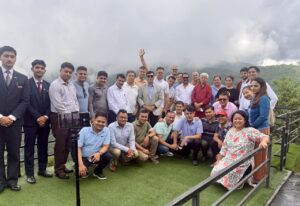
Led by Dr. Anu Lama, with the support of the Ministry of Culture, Tourism and Civil Aviation and Wildlife Conservation Nepal (WCN), the three-day workshop brought together representatives from government, tourism and hospitality, industry associations, educational institutions and sustainability organisations.
The initiative created an important space for dialogue, knowledge-sharing and, most importantly, the connection between policy and practice.
Why Green Hospitality Standards Matter for Nepal
Tourism in Nepal is deeply connected to its natural and cultural heritage.
The Himalayas, forests, rivers, biodiversity, agricultural landscapes and local communities are among the country’s greatest tourism assets. At the same time, these resources are vulnerable to climate change, increasing resource pressures and unsustainable development.
For the hospitality sector, this creates an important responsibility.
Hotels and resorts consume energy and water, generate waste, source food and materials, employ people and interact directly with local communities and ecosystems. The way these operations are managed can therefore have a meaningful impact on the destinations in which they operate.
This is why the development of Green Hospitality Standards for Nepal is significant.
Rather than viewing sustainability as an optional addition, green standards can help establish a clearer framework for hospitality businesses to improve environmental performance, strengthen social responsibility and build greater resilience.
From Discussion to Experience
One of the most meaningful aspects of the workshop was its public–private and co-creative approach.
Developing effective standards requires more than policy discussions. Standards need to be grounded in the realities of hospitality operations and adapted to Nepal’s diverse destinations and business environments.
As part of the programme, participants visited and experienced sustainability practices at two recognised green-certified properties:
Hotel Barahi Chitwan and Prakriti Resort & Organic Farm.
These visits created an opportunity to explore what sustainability looks like beyond written policies and frameworks.
They allowed participants to see how responsible practices can be integrated into everyday hospitality—from resource management and food systems to waste reduction, biodiversity and community engagement.
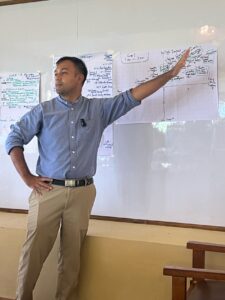

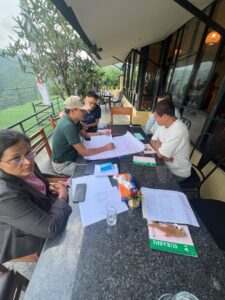
Sustainability in Practice at Prakriti
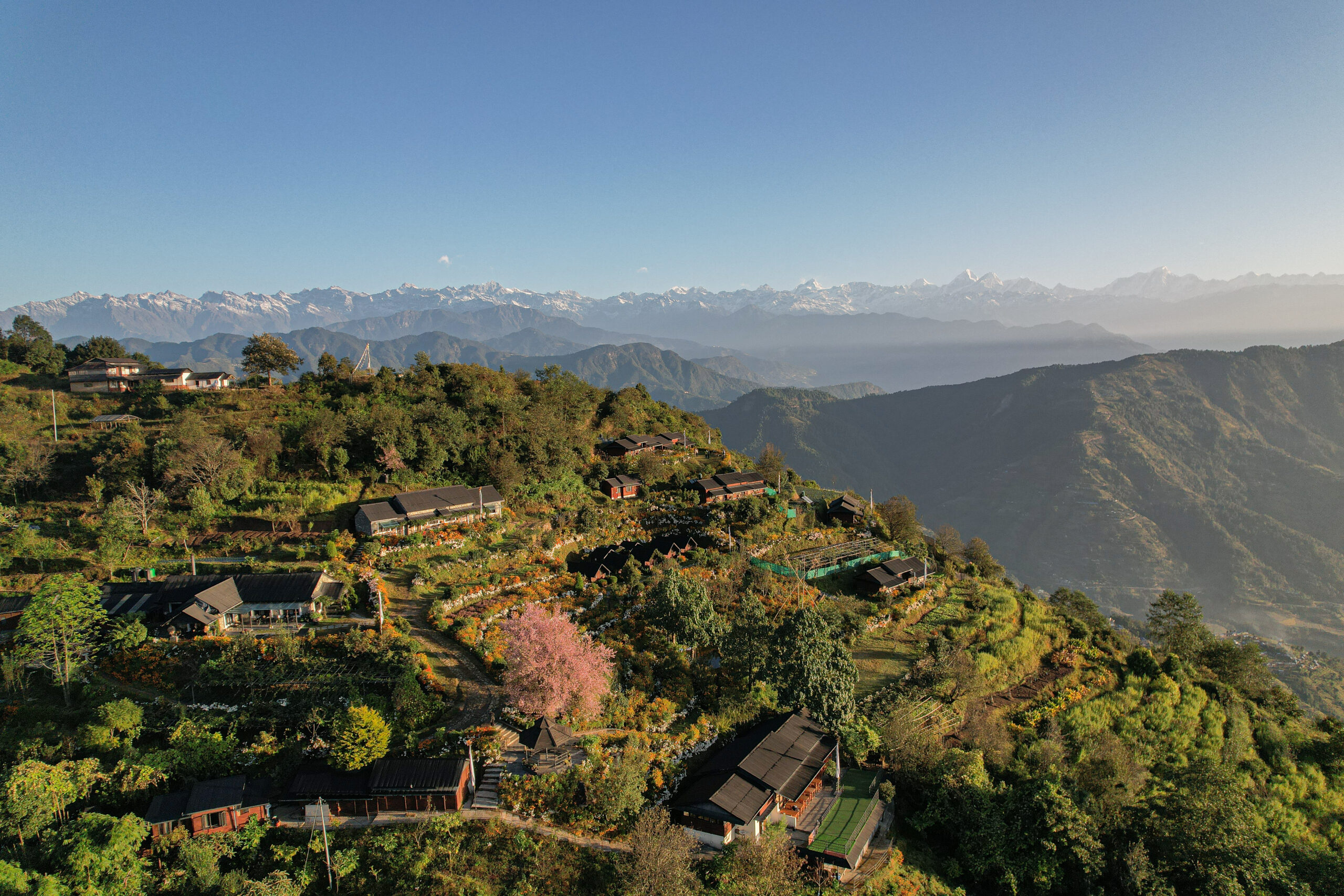
Located in Haibung on the Shivapuri Nagarjun National Park side, Prakriti Resort & Organic Farm has developed its hospitality experience around its natural surroundings and agricultural landscape.
For us, sustainability is not a single project.
It is a collection of practices integrated into our day-to-day operations.
Organic Farming and Farm-to-Table Hospitality
Our organic farm is an important part of the Prakriti experience.
Growing and sourcing food locally helps connect hospitality with agriculture while giving guests an opportunity to understand where food comes from.
Our farm-to-table approach also reflects a broader principle: hospitality can create stronger connections between guests, producers, local resources and the land.
Responsible Water Management
Water is one of the most important resources for any hospitality property, particularly in a remote destination.
At Prakriti, responsible water management forms an important part of our sustainability approach, including rainwater harvesting and efforts to use water more responsibly across the property.
Waste Reduction and Composting
Reducing waste requires attention throughout the hospitality cycle—from food preparation to guest operations.
Practices such as composting and vermicomposting allow organic waste to be treated as a resource rather than simply discarded.
This supports our organic farming system while contributing to a more circular approach to resource use.
Biodiversity and the Natural Landscape
Prakriti is surrounded by forests, agricultural land and rich biodiversity.
Protecting this natural environment is therefore inseparable from our hospitality philosophy.
Rather than treating nature as merely a backdrop to the guest experience, we believe it should be recognised as an essential part of the destination itself.
Local Employment and Community Engagement
Sustainable hospitality is also about people.
Creating employment opportunities for local communities and engaging with local suppliers and stakeholders helps ensure that tourism creates value beyond the property itself.
For destinations like Prakriti, responsible tourism should contribute to the resilience and prosperity of the communities that make the destination what it is.
From Travelife Gold to the Next Chapter
Prakriti Resort & Organic Farm is proud to be Travelife Gold certified, recognising our ongoing commitment to responsible and sustainable tourism practices.
However, we do not see certification as an endpoint.
For us, certification represents a milestone in a much longer journey.
The next step is to continue moving from sustainable hospitality towards regenerative tourism.
Sustainable tourism asks how we can reduce our negative impacts.
Regenerative tourism goes a step further by asking:
How can tourism actively contribute to the places and communities that make it possible?
This shift in thinking is increasingly important for destinations such as Nepal.
The Importance of Co-Creation
The development of national Green Hospitality Standards will require collaboration across sectors.
Government agencies can provide policy direction and institutional support.
Hospitality businesses can contribute operational experience and practical knowledge.
Industry associations can help connect businesses and encourage adoption.
Academic institutions and sustainability experts can contribute research, measurement frameworks and technical expertise.
Local communities can bring perspectives that are essential to ensuring tourism development remains socially and culturally appropriate.
Bringing these voices together can help create standards that are not only ambitious, but also realistic, measurable and applicable across Nepal’s hospitality sector.
What Could Green Hospitality Look Like in Nepal?
While the standards are part of an ongoing national conversation, the direction points towards a more comprehensive understanding of responsible hospitality.
Future green hospitality frameworks can help encourage businesses to consider areas such as:
- Energy efficiency and renewable energy
- Water conservation and responsible water management
- Waste reduction and circular resource use
- Organic and sustainable food systems
- Biodiversity conservation
- Climate resilience
- Local employment and community participation
- Cultural preservation
- Responsible sourcing
- Low-impact development
- Sustainability monitoring and measurable performance
The strength of such a framework will ultimately depend on its ability to translate principles into action.
A Shared Responsibility for the Future
The transition towards greener hospitality cannot be achieved by individual properties working alone.
It requires a shared vision across Nepal’s tourism ecosystem.
Every hotel, resort, restaurant, destination and tourism organisation has the opportunity to consider how its operations can become more responsible.
And every improvement—whether reducing water consumption, preventing food waste, supporting local producers, protecting biodiversity or creating meaningful employment—can contribute to a larger transformation.
The goal is not to create a hospitality industry that simply uses the word green.
The goal is to build a sector where responsible practices are measurable, credible and embedded into everyday operations.
Prakriti’s Continuing Journey
Our own journey began in a remote destination with limited infrastructure, surrounded by nature and local communities.
Developing a resort in such an environment has taught us that sustainability is not always about having access to the most advanced infrastructure or technology.
Sometimes, it is about understanding the place.
It is about using what is available responsibly, reducing unnecessary consumption, working with local communities and allowing the natural environment to remain an essential part of the experience.
Our Travelife Gold certification is one milestone in that journey.
Hosting the Inception Workshop on Nepal’s Green Hospitality Standards was another meaningful moment—not because we believe we have all the answers, but because we believe that sharing experiences and learning together is essential to moving forward.
Looking Ahead
Nepal has an opportunity to develop a hospitality sector that is not only competitive and welcoming, but also environmentally responsible, socially inclusive and resilient for the future.
The development of Green Hospitality Standards can become an important foundation for that journey.
At Prakriti Resort & Organic Farm, we are proud to have contributed our experience to this national conversation and to have welcomed professionals and experts working towards a common vision.
Our sincere appreciation goes to the Ministry of Culture, Tourism and Civil Aviation, Dr. Anu Lama, Ms. Sanjeevani Yonzon Shrestha, Wildlife Conservation Nepal (WCN), the organising and expert teams, and all participating institutions and hospitality leaders who contributed to this important initiative.
The conversation has started.
The work continues.
And the vision is clear:
From sustainable hospitality to regenerative tourism.
A future where tourism protects nature, strengthens communities, respects culture and creates prosperity that can endure for generations.
Prakriti Resort & Organic Farm is proud to be part of that journey. 🌿🇳🇵
About Prakriti Resort & Organic Farm
Prakriti Resort & Organic Farm is a nature-based hospitality destination in Haibung, Melamchi, Sindhupalchok, on the Shivapuri Nagarjun National Park side of Nepal.
Rooted in organic farming, nature, wellness and responsible hospitality, Prakriti is committed to creating meaningful experiences while continuously improving its environmental and social performance.
Travelife Gold Certified | Sustainable Hospitality | Regenerative Tourism
#GreenHospitality #SustainableHospitality #GreenTourism #SustainableTourism #RegenerativeTourism #NepalTourism #NepalHospitality #TravelifeGold #Sustainability #ClimateResilience
Recent Posts
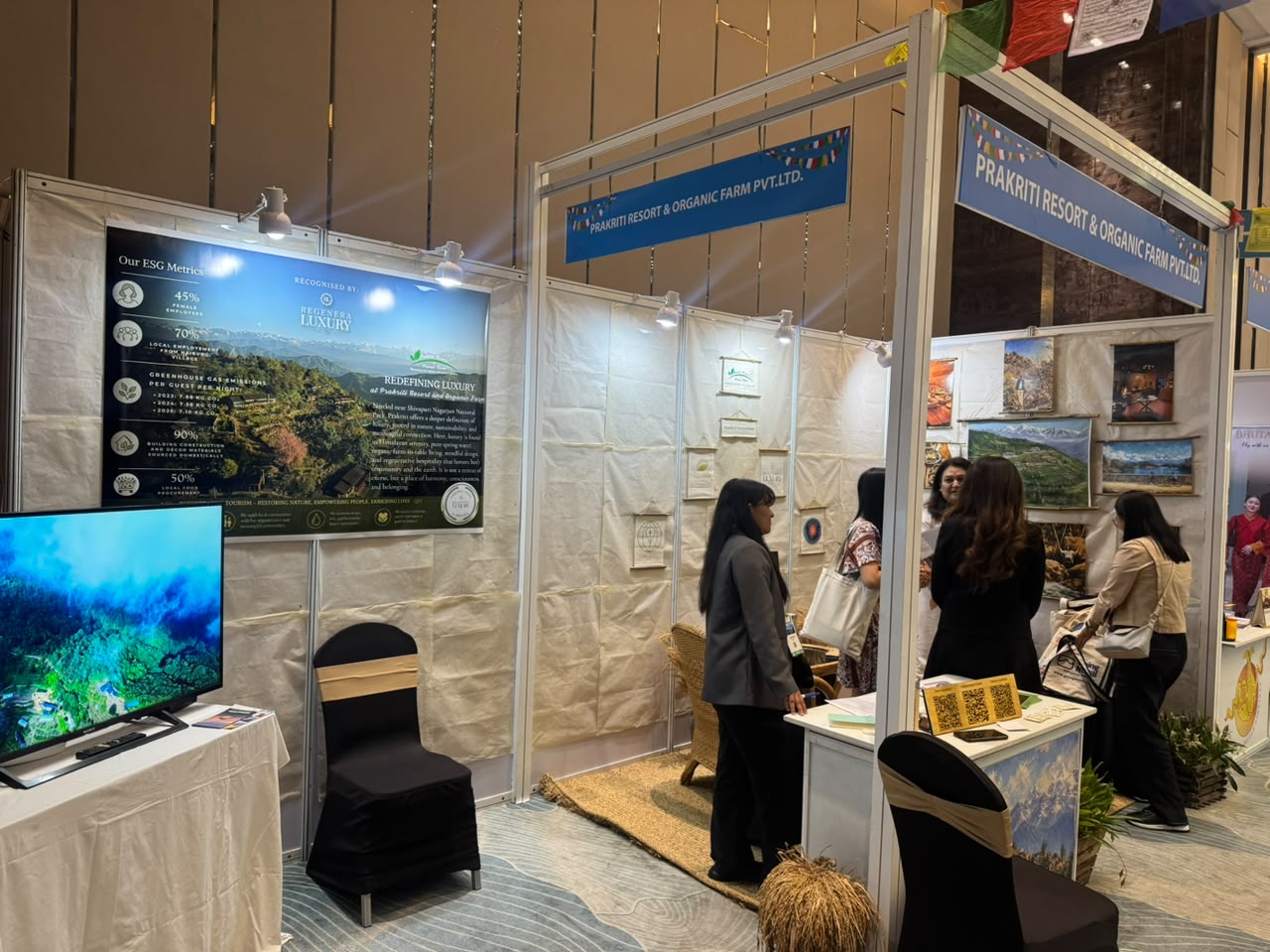
Prakriti Resort & Organic Farm Showcases Regenerative Tourism Leadership at PATA Nepal Himalayan Travel Mart 2026
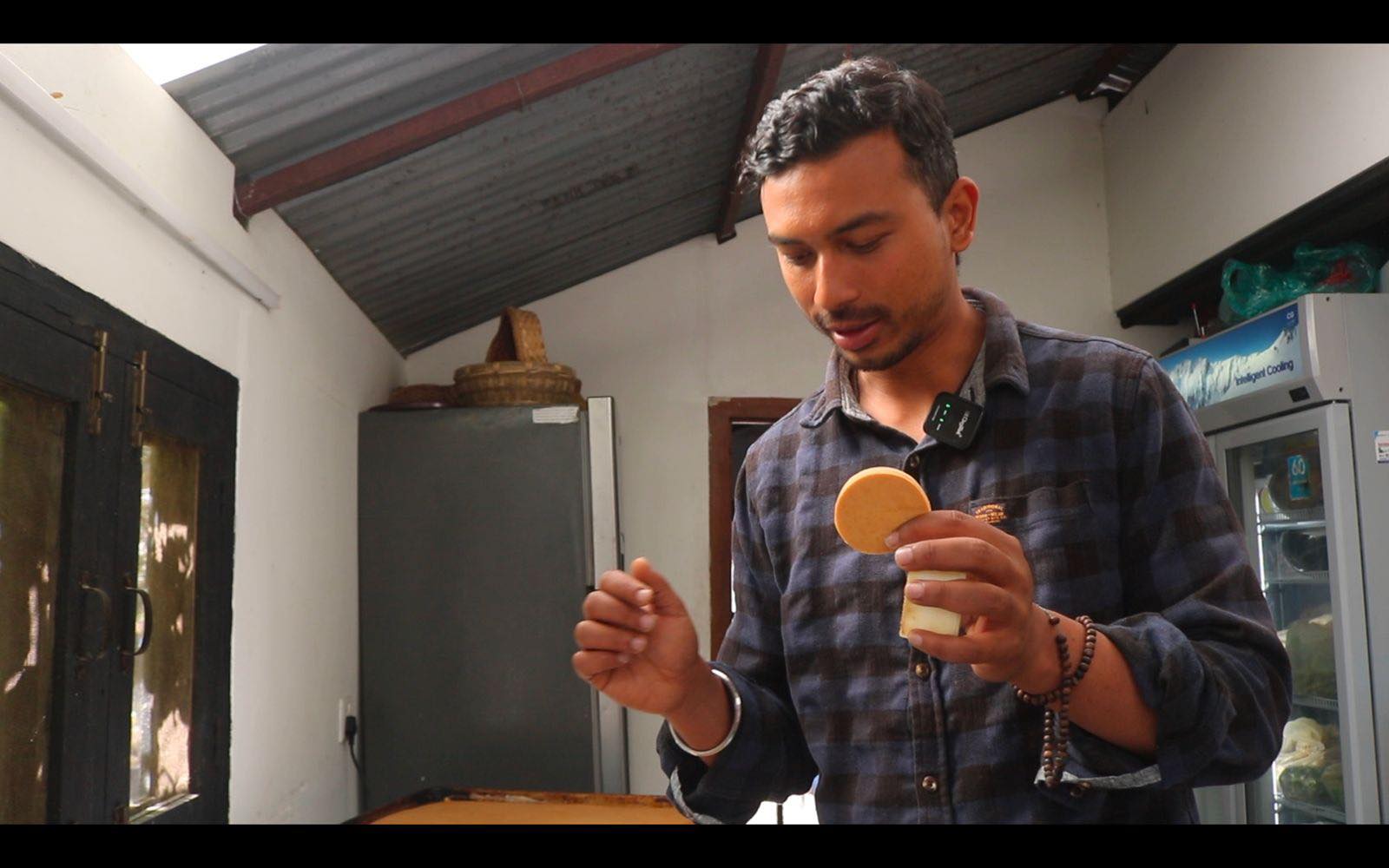
From Kitchen Waste to Clean Living: How Prakriti Resort is Turning Used Oil into Sustainable Soap & Redefining Circular Living
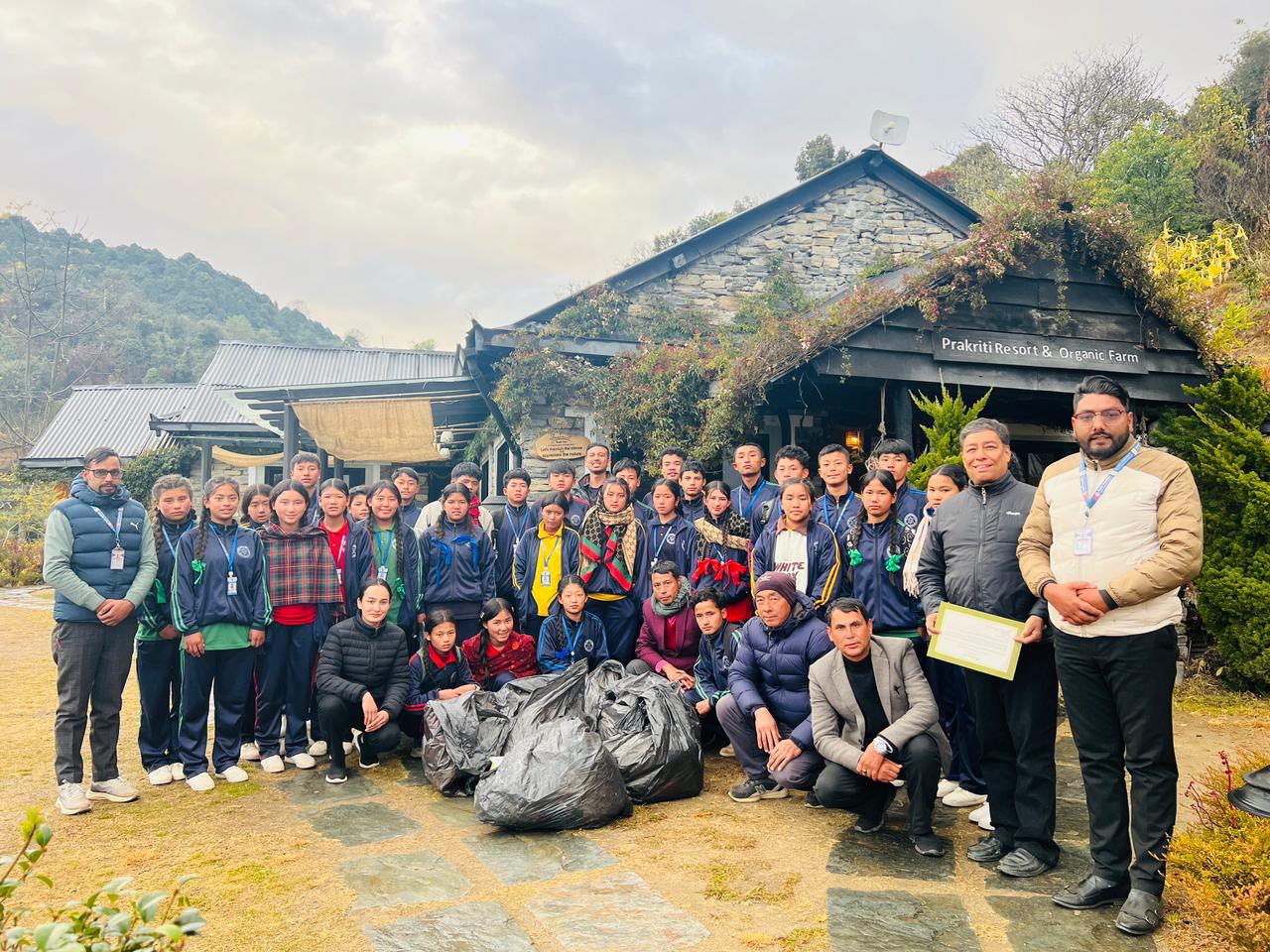
Nurturing Young Minds Through Regenerative Tourism: Educational Visit by Haibung Mahadevsthan Secondary School
Prakriti Resort & Organic Farm Showcases Nepal’s Regenerative Tourism Model at South Asia Seminar