Prakriti Resort & Organic Farm Showcases Nepal’s Regenerative Tourism Model at South Asia Seminar
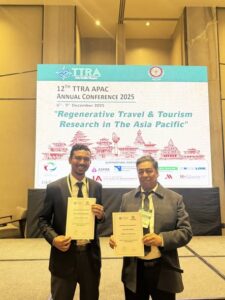
In December 2025, Prakriti Resort & Organic Farm had the honor of presenting its evolving regenerative tourism model at the Seminar on Regenerative Travel and Tourism Research in South Asia, a regional academic gathering that brought together researchers, practitioners, and tourism leaders from across South Asia.
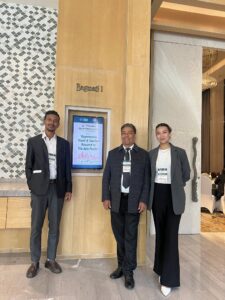
The seminar was jointly organized by the Travel and Tourism Research Association (TTRA) and the Kathmandu University School of Management (KUSOM) and was held from 6–9 December 2025 in Kathmandu, Nepal. The event served as a platform for dialogue, research exchange, and collaborative learning around the future of tourism in the region particularly through the emerging lens of regenerative travel.
A Platform for Regenerative Ideas
The seminar brought together academics, tourism practitioners, and sustainability advocates who presented diverse case studies and research exploring how tourism can move beyond sustainability toward a more transformative model.
For Prakriti Resort, the event represented an important milestone. It provided an opportunity to present the resort’s own journey from sustainable tourism practices toward a regenerative tourism framework a model that seeks not only to reduce harm but to actively improve ecosystems, empower communities, and revitalize destinations.
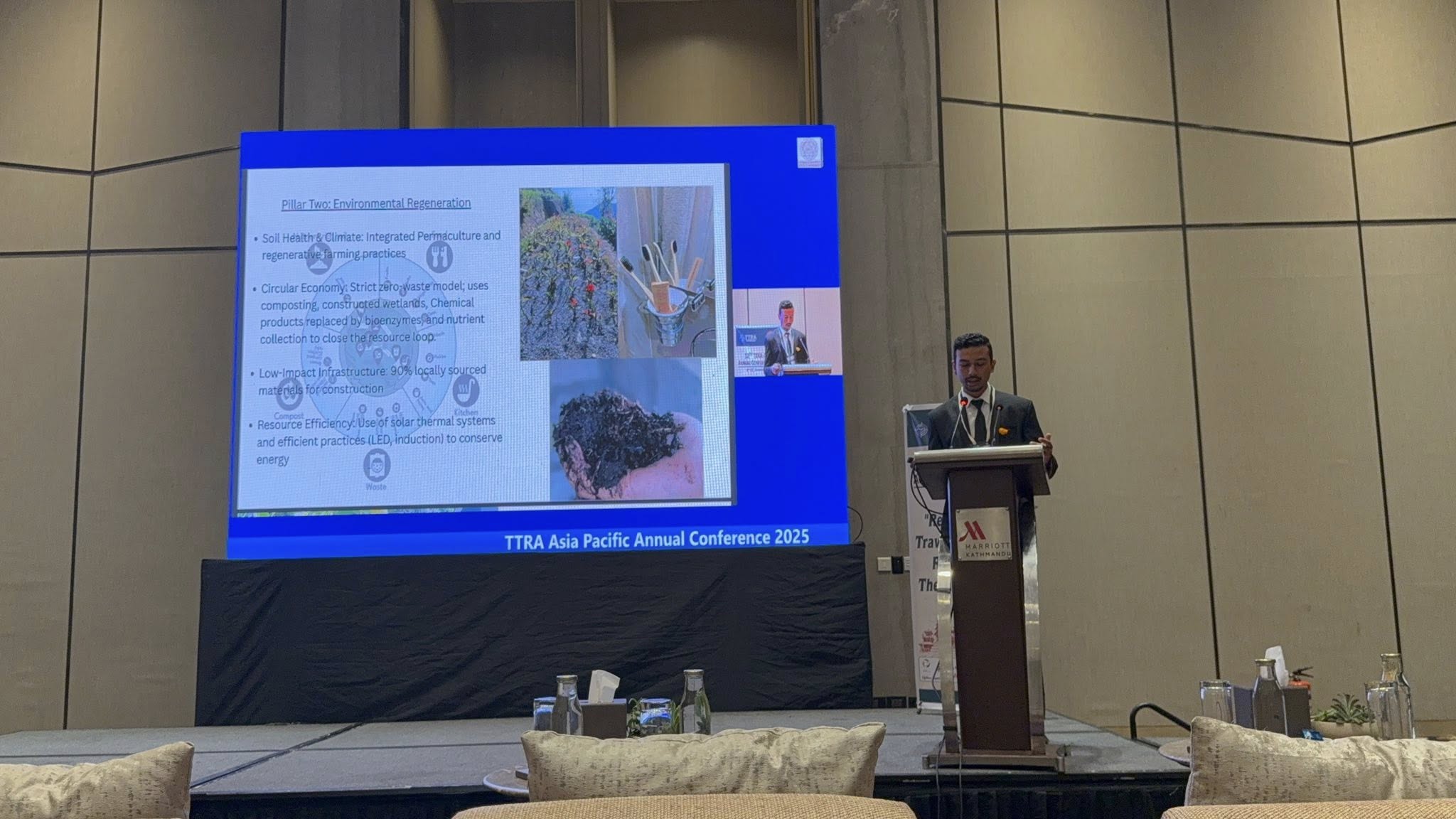
Representing Prakriti Resort at the seminar was our Regenerative Coordinator, Aakash Silpakar, who delivered the case study presentation with clarity, insight, and strong impact. His presentation highlighted the resort’s ongoing initiatives, including organic farming integration, community-based employment, and ecosystem stewardship around the Shivapuri region.
We extend our sincere appreciation to Aakash for presenting our story so effectively and for representing the values and vision of Prakriti Resort with dedication.


From Sustainability to Regeneration
For many years, tourism businesses have worked toward sustainability, which largely focuses on minimizing environmental and social harm. However, the concept of regenerative tourism goes a step further.
Rather than simply reducing impact, regenerative tourism seeks to:
-
Restore degraded ecosystems
-
Strengthen local communities and cultural heritage
-
Rebuild relationships between people, land, and place
-
Leave destinations healthier and more resilient than before
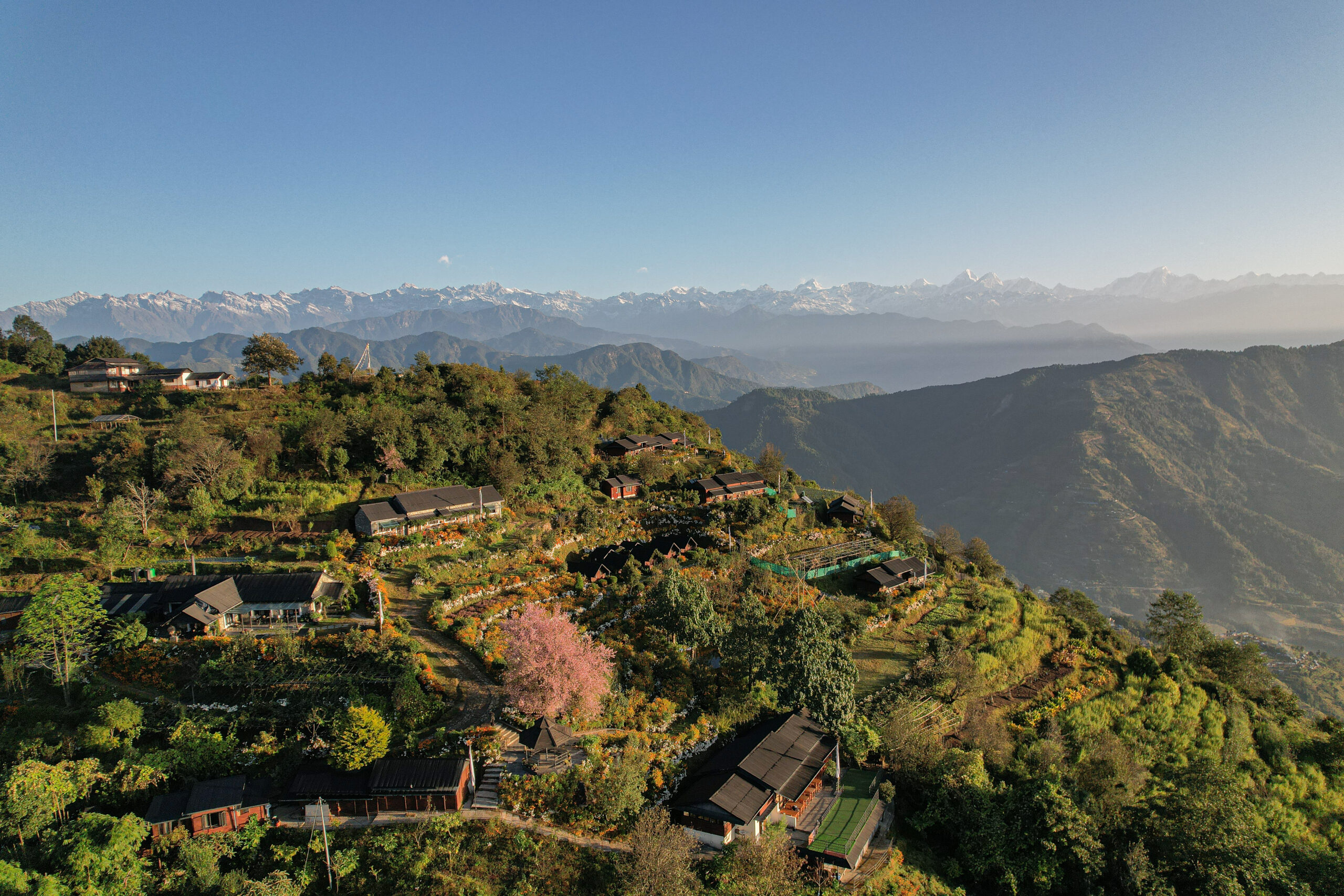
At Prakriti Resort & Organic Farm, this philosophy resonates deeply with our mission. Located near the pristine landscapes of the Shivapuri Nagarjun National Park and surrounded by traditional farming communities, the resort has long embraced practices that integrate organic agriculture, community livelihoods, and nature-based experiences.
Our regenerative transition focuses on strengthening this connection ensuring tourism becomes a force for restoration rather than consumption.
A Proud Moment for Nepal’s Tourism Sector
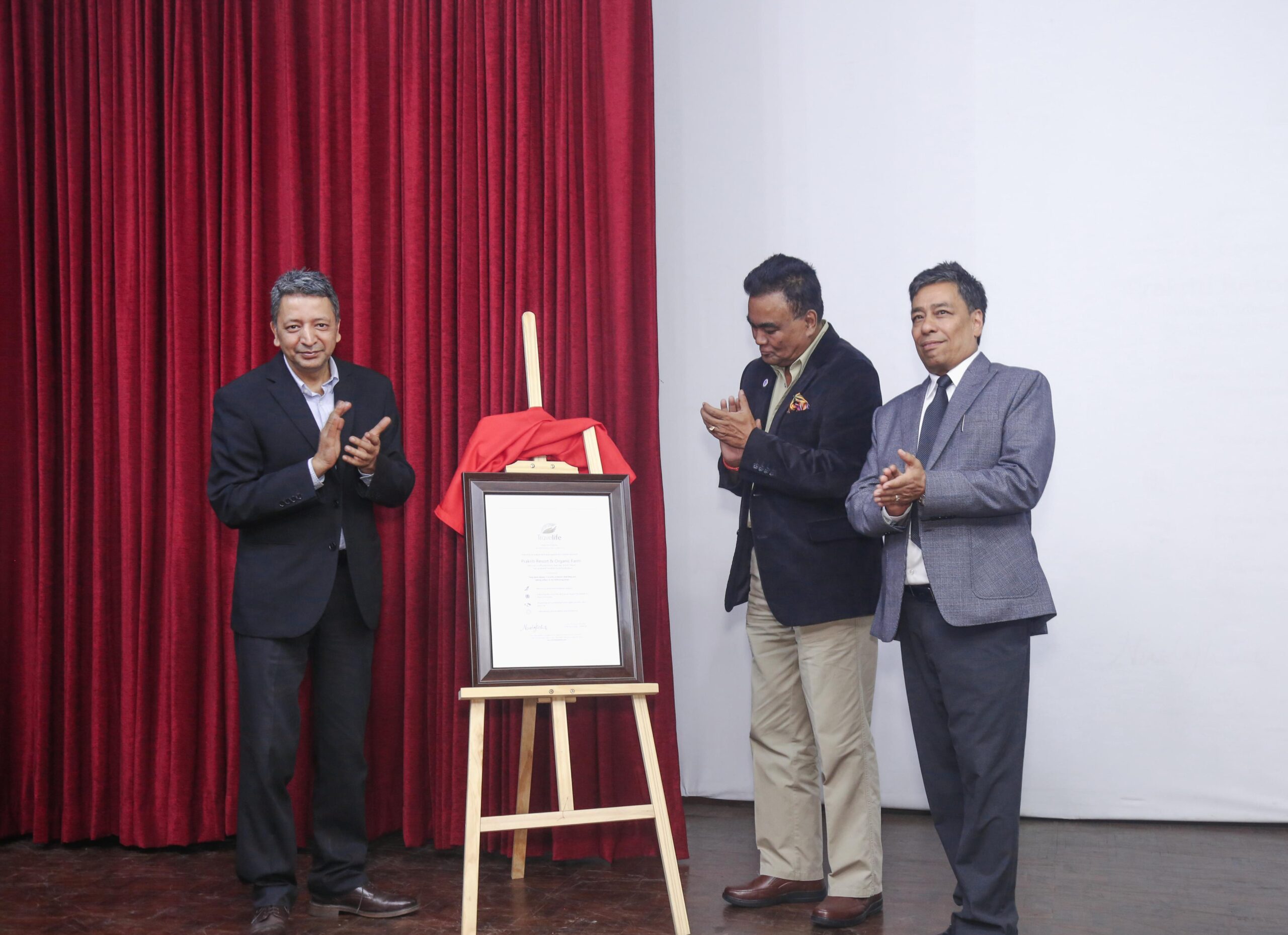
One of the most meaningful aspects of the seminar was the recognition of Prakriti Resort & Organic Farm as a pioneering example of regenerative tourism practice in Nepal within an academic cohort.
Being discussed alongside regional case studies and academic research reinforced the growing importance of practice-based models that demonstrate real-world implementation of regenerative ideas.
It also highlighted Nepal’s potential to emerge as a leader in responsible tourism innovation especially given its strong traditions of community, culture, and environmental stewardship.
Strengthening Nepal’s Role in Regenerative Tourism
We were particularly encouraged to see such a significant academic seminar taking place in Nepal through the dedicated efforts of Kathmandu University School of Management (KUSOM).
Events like this create valuable bridges between academic research and real-world tourism practice, enabling knowledge sharing that can shape the future of the industry.
The seminar also came shortly after the landmark Bhutan Regenerative Forum, held in August 2025 in Bhutan, which showcased strong national leadership and commitment toward regenerative tourism principles.
Together, these initiatives signal a growing regional momentum toward regenerative travel across South Asia.
Looking Ahead
For Prakriti Resort & Organic Farm, participating in the seminar was more than an opportunity to present a case study, it was a moment of reflection and inspiration.
As we continue our journey toward a fully regenerative tourism model, we remain committed to:
-
Supporting local communities and livelihoods
-
Strengthening organic farming and agro-tourism
-
Protecting the surrounding natural ecosystem
-
Creating meaningful, educational experiences for travelers
Our goal is simple yet powerful: to ensure that every visitor leaves the place better than they found it environmentally, socially, and culturally.
We extend our heartfelt gratitude to Aakash Silpakar for representing Prakriti Resort at the seminar and to the organizers for creating such an important platform for dialogue and collaboration.
The future of tourism lies not just in sustaining destinations but in regenerating them.
Ujjwal Bhujel
Blog Writer
Recent Posts
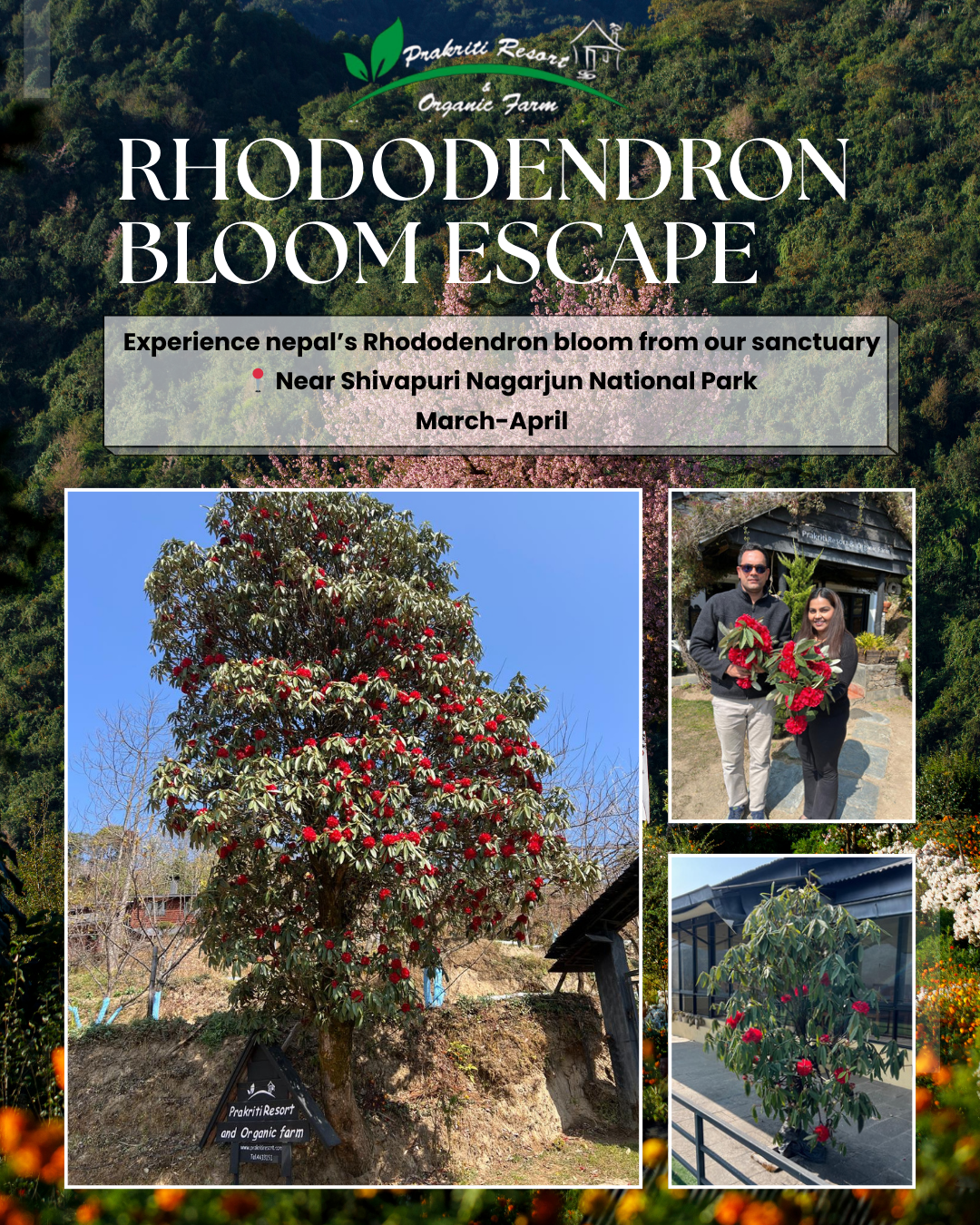
Sip, Stay & Wander the crimson secert at Prakriti Resort & Organic Farm.
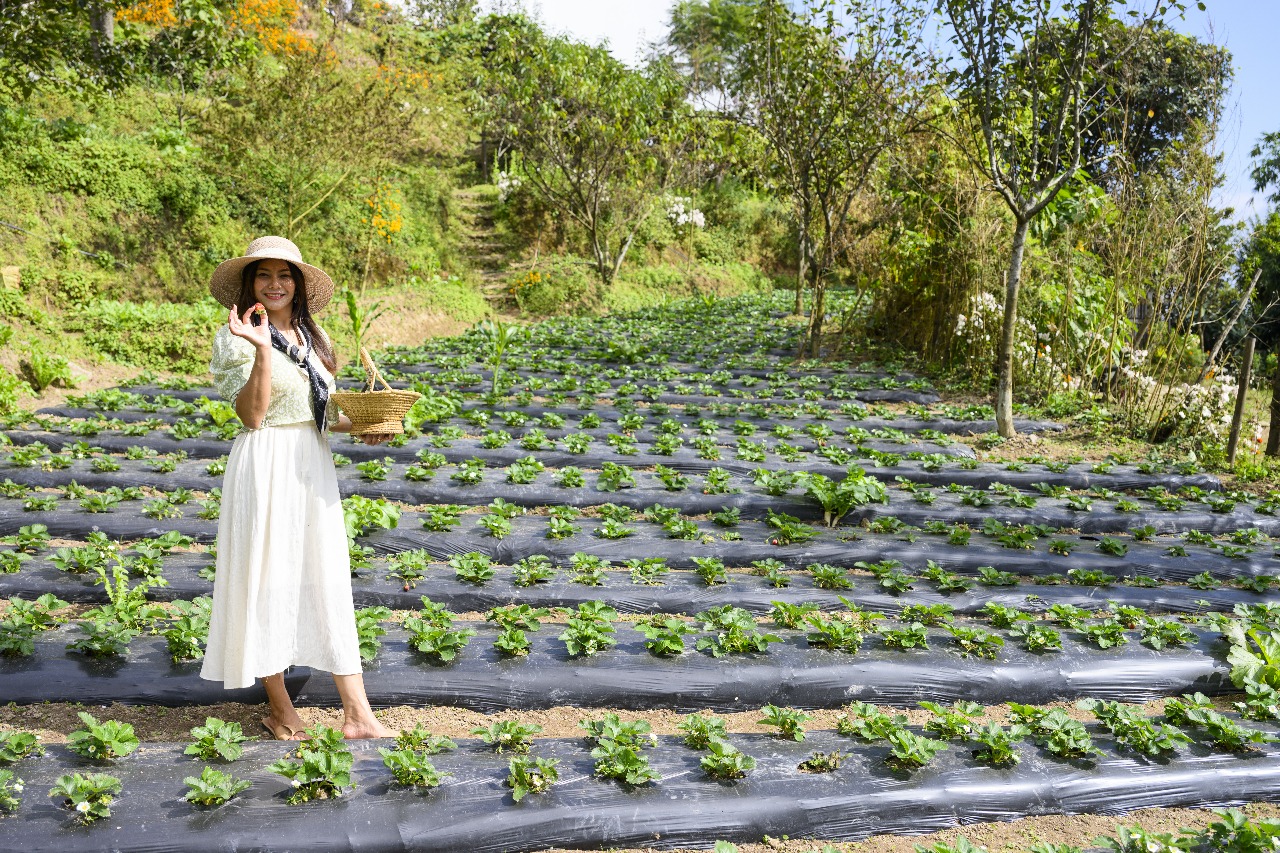
Organic Strawberry Farming at Prakriti Resort & Organic Farm, Nepal
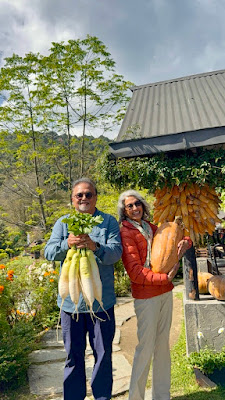
Prakriti Resort & Organic Farm, 30 Km North of Kathmandu. I highly recommend it to experience A Stairway to Heaven at this resort.
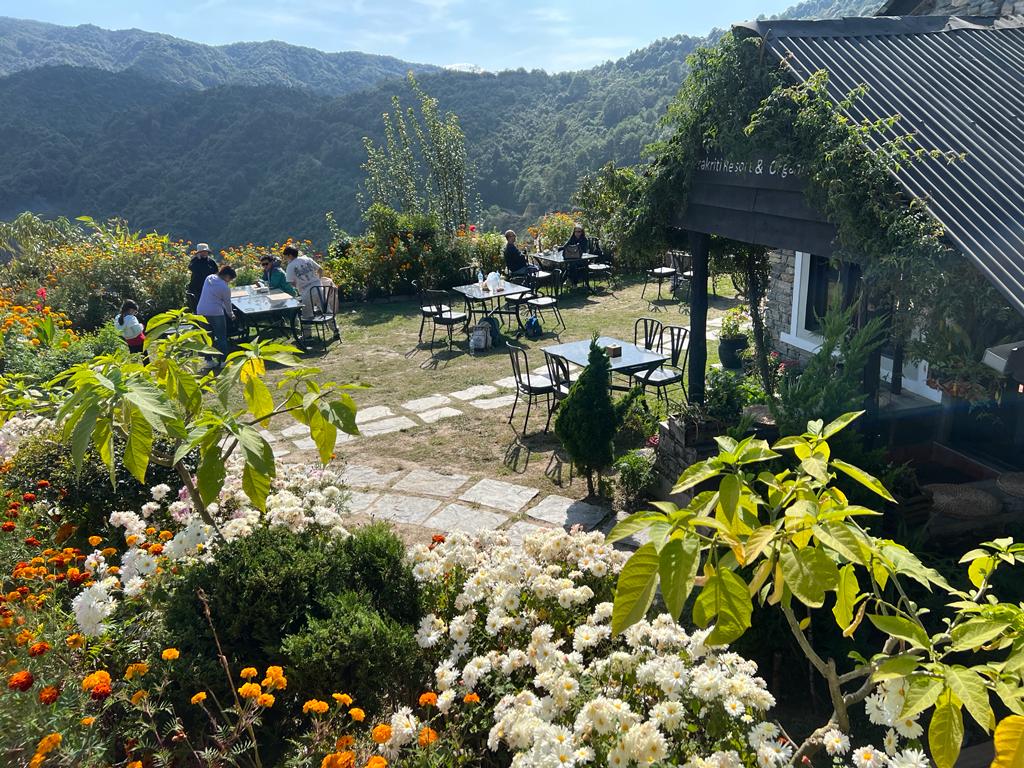
A Journey Rooted from Sustainable Tourism to Regenerative Tourism